
Most people see a rattan chair and think about comfort or style. They rarely think about the factory floor behind it. That gap in understanding is exactly why so many buyers get surprised later by delays, inconsistent quality, or vague answers from suppliers.
Operations are the quiet engine of this industry. A well-run factory keeps everything on track, from sourcing to final shipment. When it does not, the cracks show up fast, usually right when a customer needs reliability the most.
What Actually Happens Inside a Rattan Factory
A rattan factory rarely looks glamorous from the outside. Inside, it runs like a living system. Workers make dozens of small decisions every hour. Workers receive raw material, sort it, and process it before reaching the workbench.
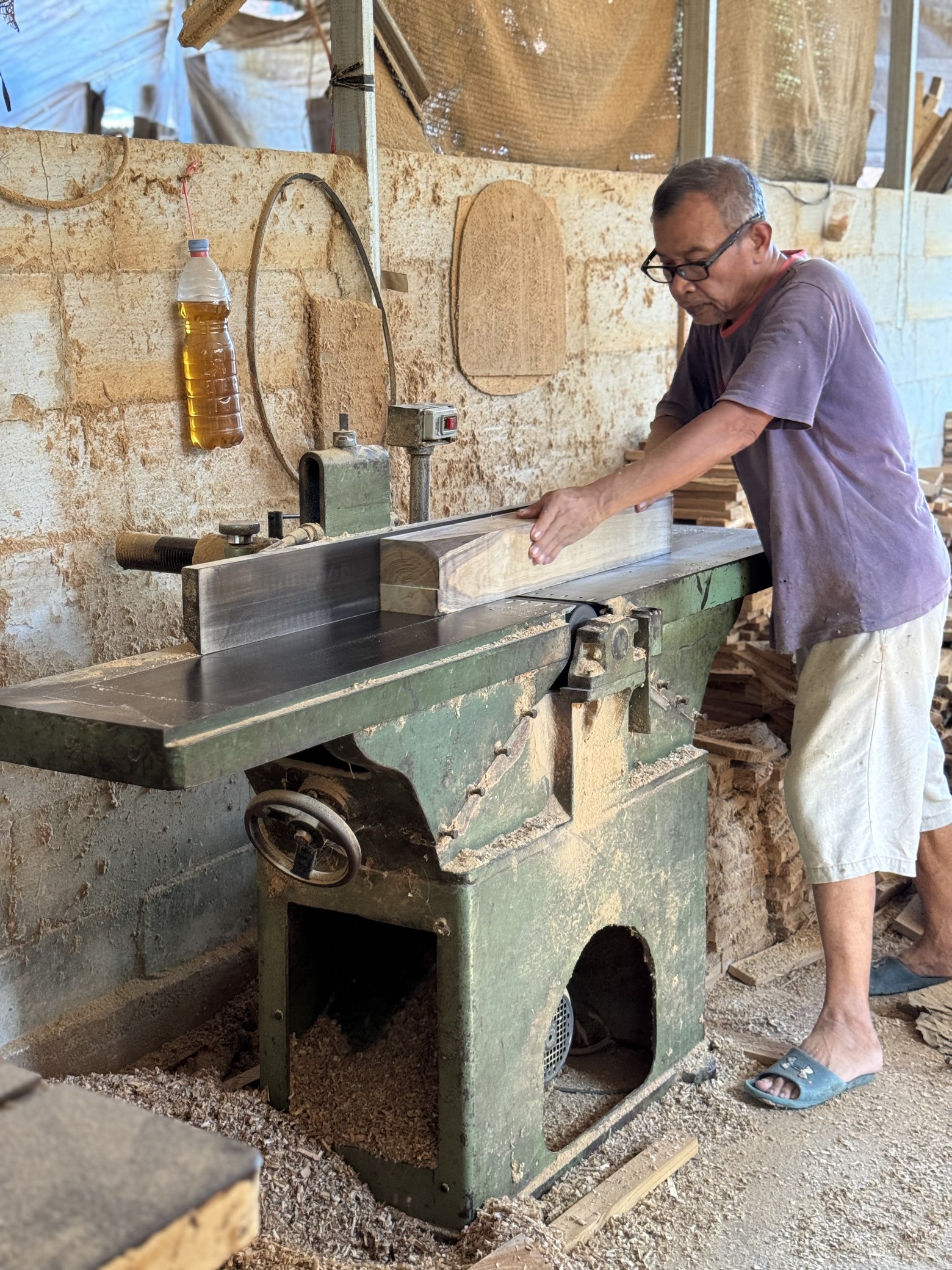
Harvesting and sourcing start the process. Suppliers deliver stock matching projected demand. Procurement teams check product quantity, quality, and strict delivery timelines. Any initial shortage delays downstream projects. Strong factories build extra supply buffers. They also keep solid vendor relationships to prevent restocking crises.
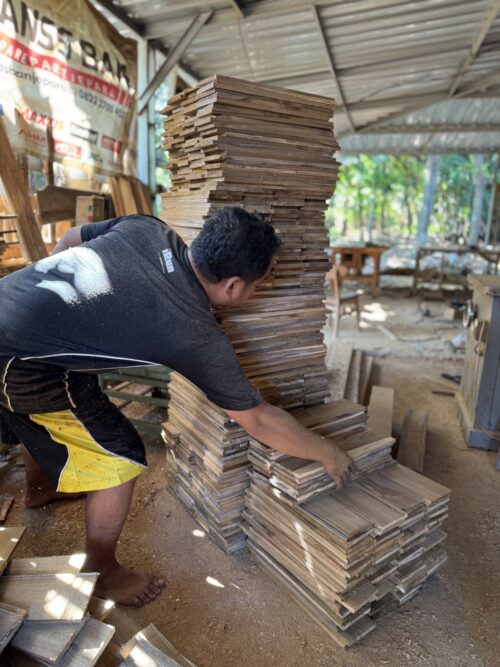
Once raw canes arrive, the real transformation begins. Workers steam, bleach, and dry the material to prepare it for shaping and bending. This stage determines durability more than almost anything else in the process.
- Steaming softens the rattan for flexible bending
- Bleaching evens out color for consistent finishing
- Drying locks in structural strength before assembly
The material moves to weaving and assembly after processing. There, technical skill and manufacturing discipline come together. Here, skilled workers shape material rattan furniture piece by piece under close supervision.
How Sourcing and Craftsmanship Shape Product Quality
Sourcing decisions made months earlier still shape a finished piece today. Smart factories back renewable plantations and responsible agroforestry. This approach protects the environment and secures their supply chain. Reforestation and silvicultural practices are not just talking points. These practices secure raw material for years, not a single shipment cycle.
Craftsmanship is the other half of the equation. Machines can speed up cutting and shaping, but weaving still depends on trained hands and years of practice. The balance between technology and artisan skill defines the difference. It separates mass-produced goods from pieces made with real intention.
The Hidden Skill behind Every Handwoven Rattan Piece
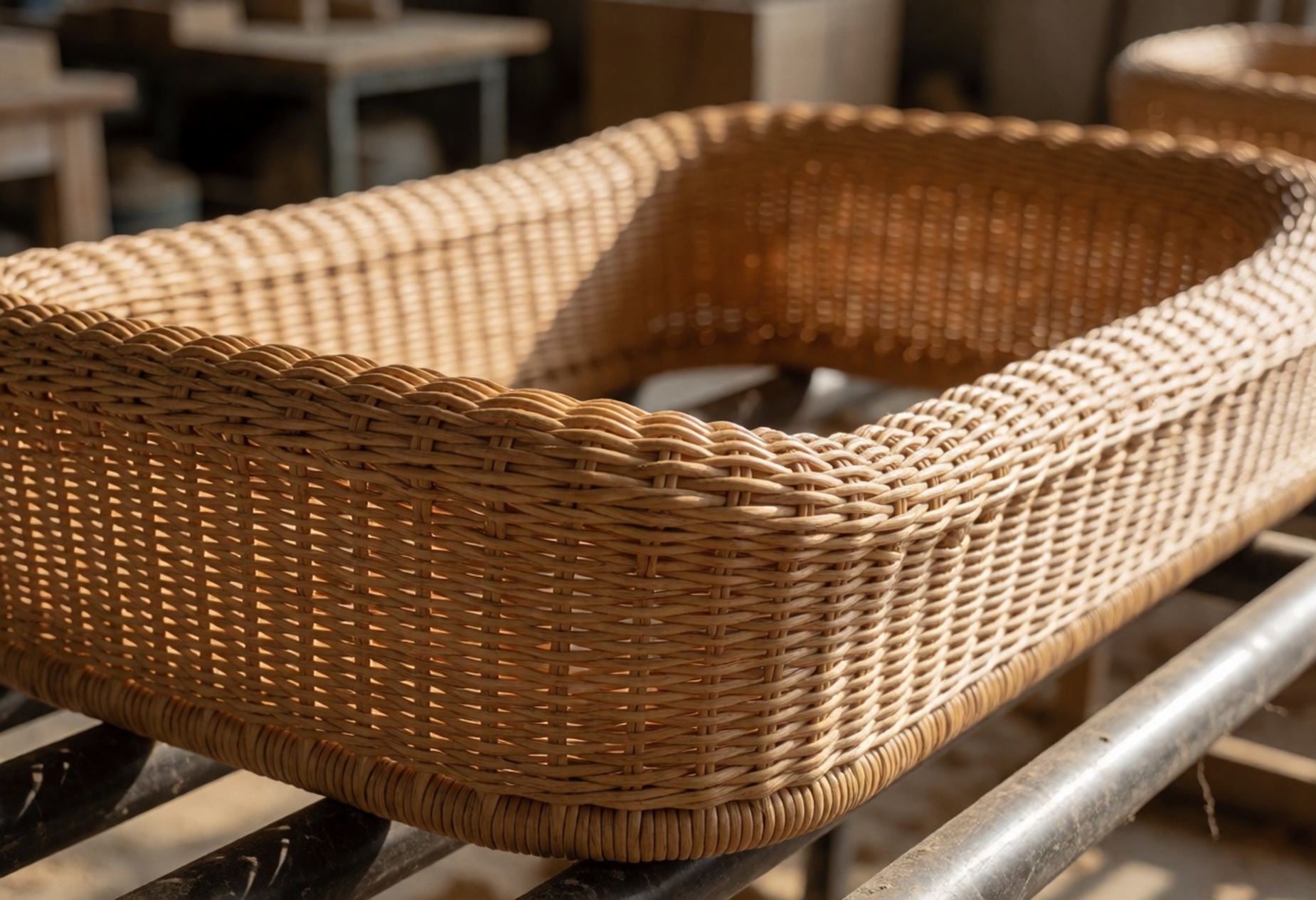
Weaving takes time, and that is a good thing. Skilled artisans know the material through touch, not theory. They adjust tension and pattern by feel, not instructions. That same instinct guides traditional rattan weaving. Artisans pass it down through training, not a manual.
Factories that respect this process rarely rush it. Fast weaving creates weak joints and uneven patterns. Products break much faster this way. Patience at this stage protects the reputation of everything shipped afterward.
Why Sustainable Sourcing Builds Long Term Trust
Buyers today ask harder questions about where materials come from. They demand proof of responsible harvesting, not a brochure claim. Factories that show traceability and care for the environment gain trust faster. International retailers and wholesale partners notice this right away.
This is also where sustainable rattan furniture becomes more than a marketing phrase. It reflects real choices made at the sourcing stage, long before a single strand gets woven.
Why Reliable Operations Matter for Global Export Success
Export success depends on far more than a good product. True growth relies on steady operations across every shift, order, and shipment. Quality control teams inspect, grade, and reject items before packing. This protects the factory’s reputation in markets they have never visited.
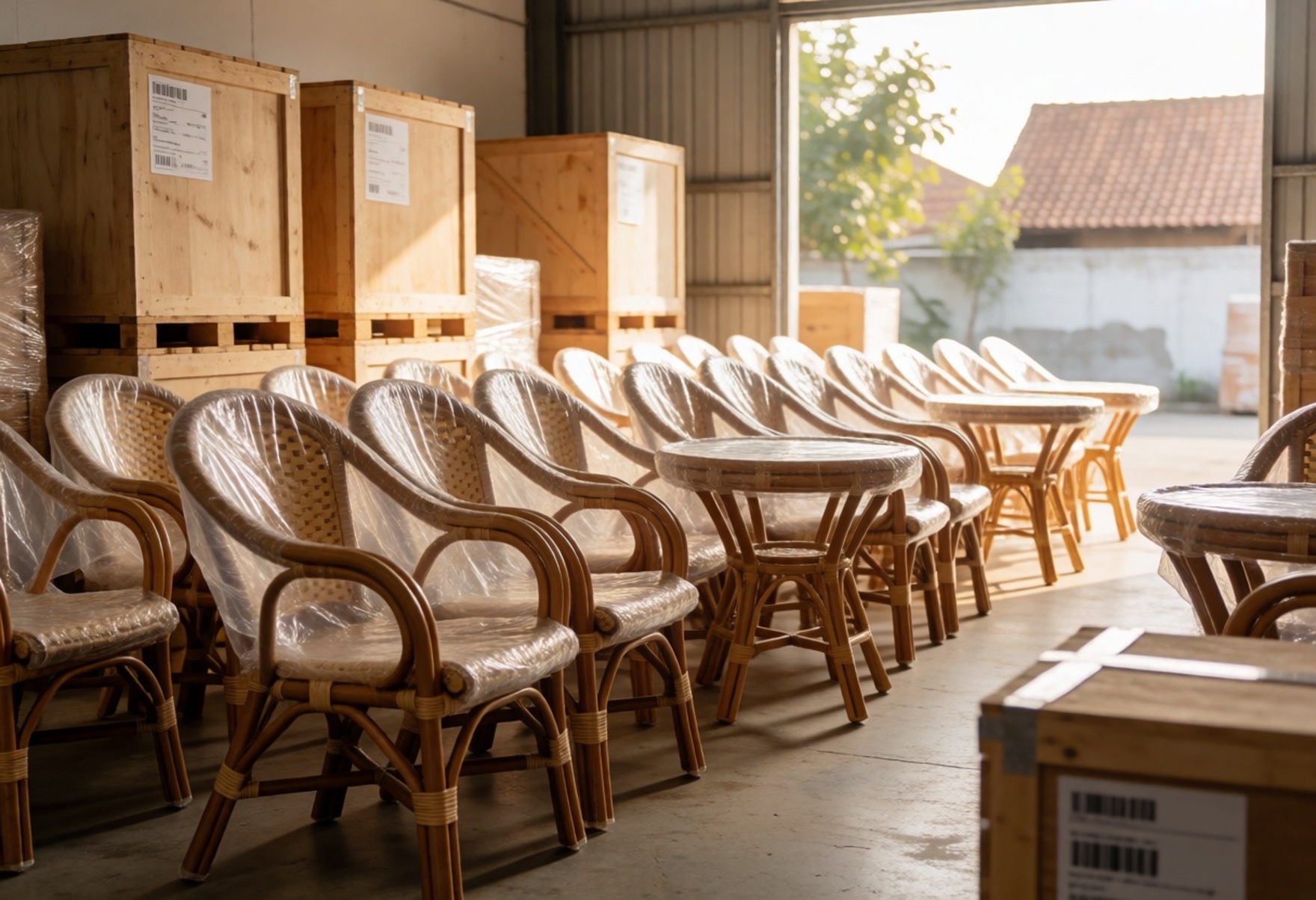
Logistics adds another layer of complexity. Freight, customs, and delivery must all work together on schedule. A single delay can disrupt the entire order. Factories that manage logistics well treat it as part of manufacturing. They do not handle it as an afterthought.
This is also where flexibility earns its value. More buyers demand customizable rattan furniture with specific dimensions or finishes. Flexible production lines adapt fast while ensuring quality. A disciplined factory handles that complexity and still meets every deadline.
None of this happens by accident. It takes experienced teams, careful planning, and true respect for the craft. Check how target b2b manufacturers manage sourcing, qc standards, and sudden demand spikes. Those answers reveal more than any catalog ever could.
Have you ever wondered what keeps buyers coming back to a rattan manufacturer Indonesia? It is years of refining these exact processes for consistency and honest communication. If production flow and on-time delivery drive your goals, let’s start a conversation. Let’s discuss your order needs and how our supply chain can support your projects.