
Walk into any furniture store and you will hear three words used interchangeably. Rattan, wicker, bamboo. Most shoppers treat them as the same thing. They are not, and knowing the difference can protect you from a purchase you will regret.
What Sets Rattan, Wicker, and Bamboo Apart as Furniture Materials
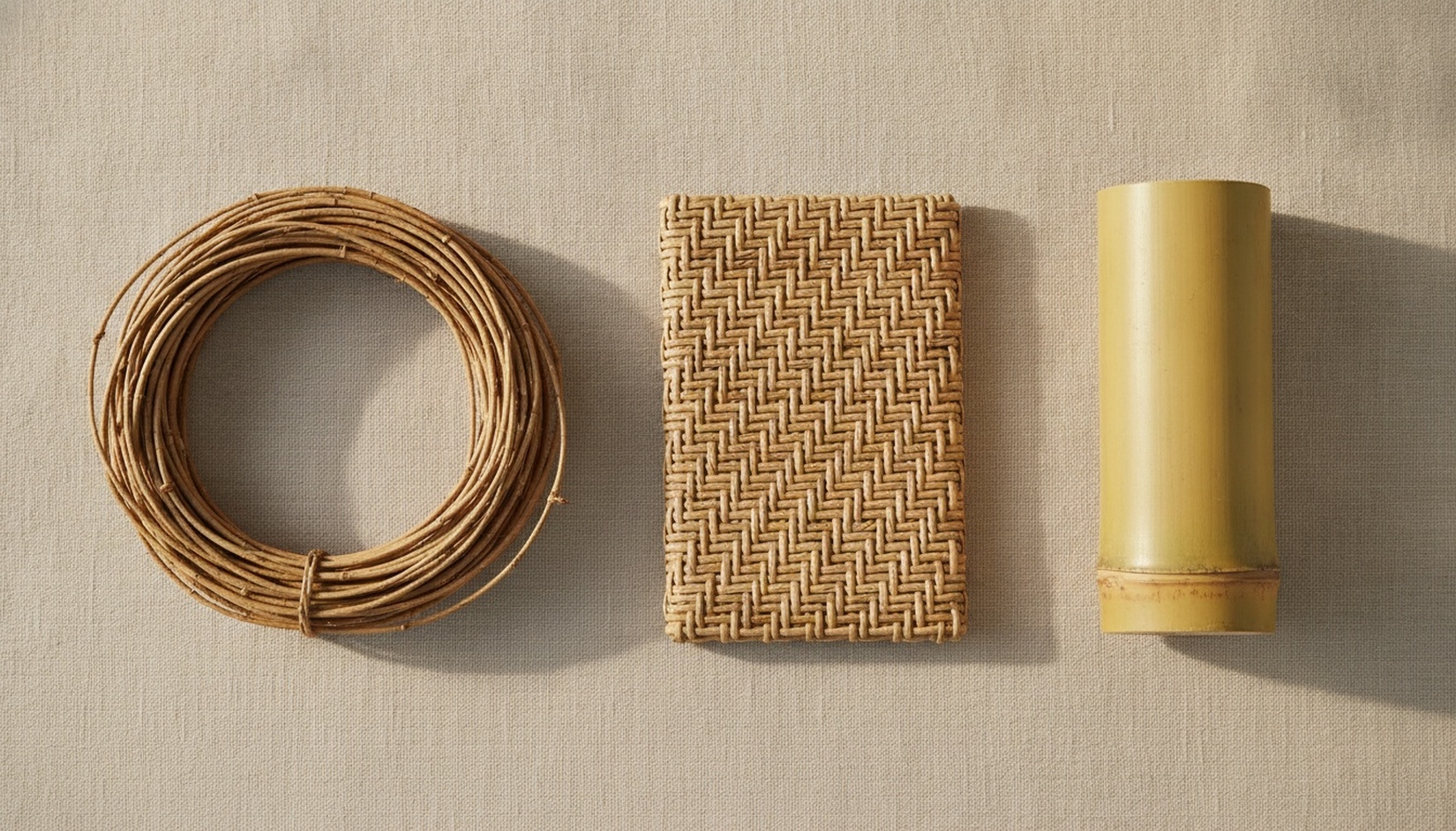
Think of rattan as a climbing jungle vine, not typical wooden timber. Its flexible stems bend easily into sleek, round shapes without cracking. This unique versatility makes it a standout choice for cozy couches and organic decor.
Bamboo is a grass, not a tree. Its hollow culms grow fast and strong, making it one of the most sustainable materials available. Structurally, bamboo rivals timber like mahogany or maple. It suits beds, benches, dressers, and shelving where stiffness matters.
Wicker is something different. It describes a weaving technique, not a plant. Craftspeople use this on rattan, bamboo, and willow. It also works for synthetic options like resin or polyethylene. When you see “wicker furniture“, you are looking at a construction style, not a raw material.
One more material worth knowing: cane. Cane is the outer peel of the rattan stalk. Designers use it in webbing panels, headboards, and dresser fronts. Cane panels give furniture that open-weave look, lighter and more breathable than solid wood.
Durability, Maintenance, and Suitability for Indoor and Outdoor Use
Choosing between these materials depends on where the furniture will live. Each one has a different relationship with heat, moisture, and daily use. A sofa designed for a shaded porch behaves differently from one placed in a humid garden or an air-conditioned living room. Before purchasing, it helps to understand how each material ages in its environment, not just how it looks in a shop.
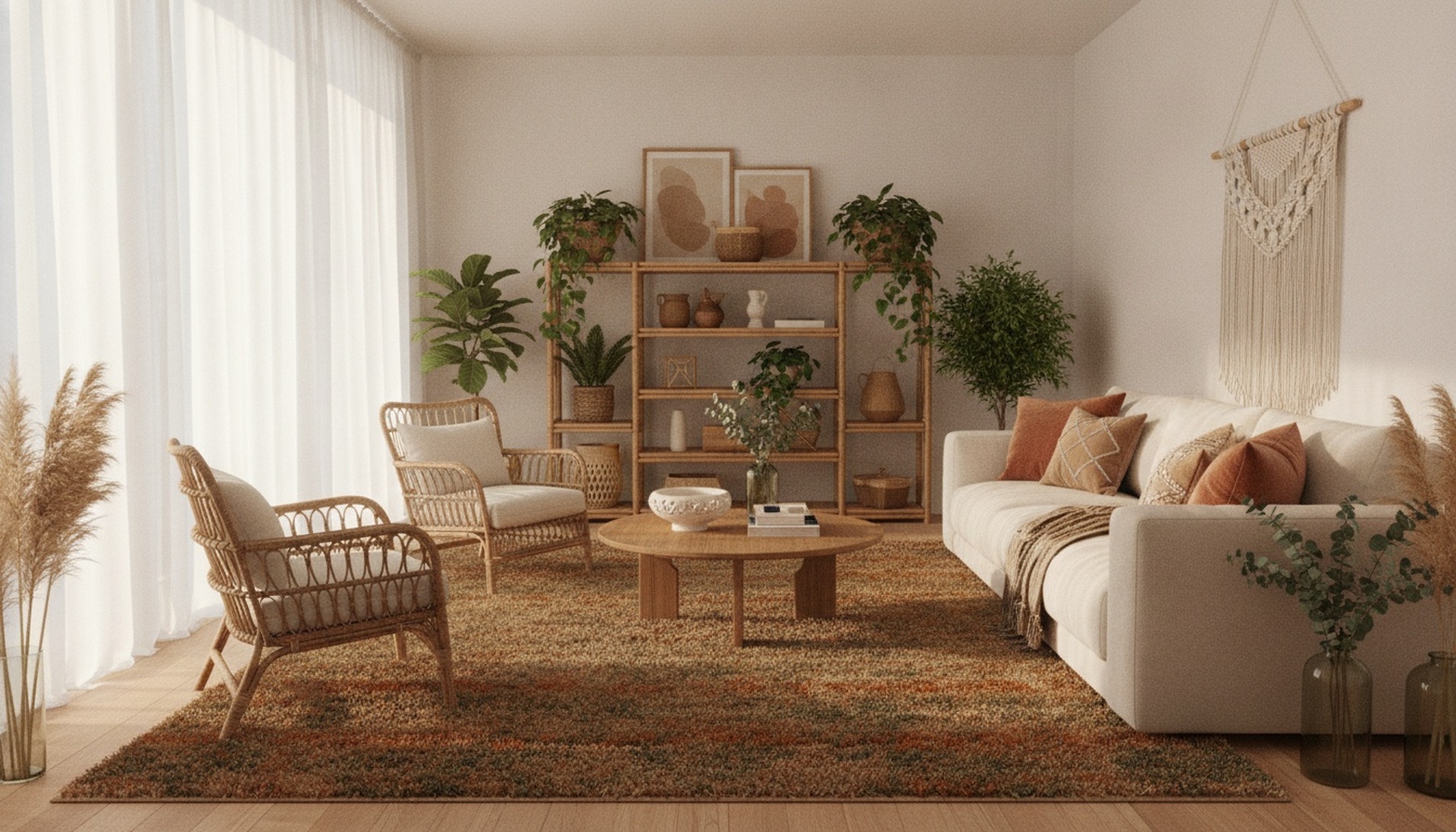
Think of it this way. Rattan, bamboo, and wicker are not interchangeable alternatives. They each come from different native plants, different structures, and different fibres. Rattan stems are solid and flexible. Bamboo culms are hollow and rigid. Wicker is a technique, not a material. It works on traditional reeds or modern synthetic straws.
These structural differences matter when you shop. They help you choose smarter for your deck, porch, or living space.
How Each Material Performs Against Humidity, Weather, and Daily Wear
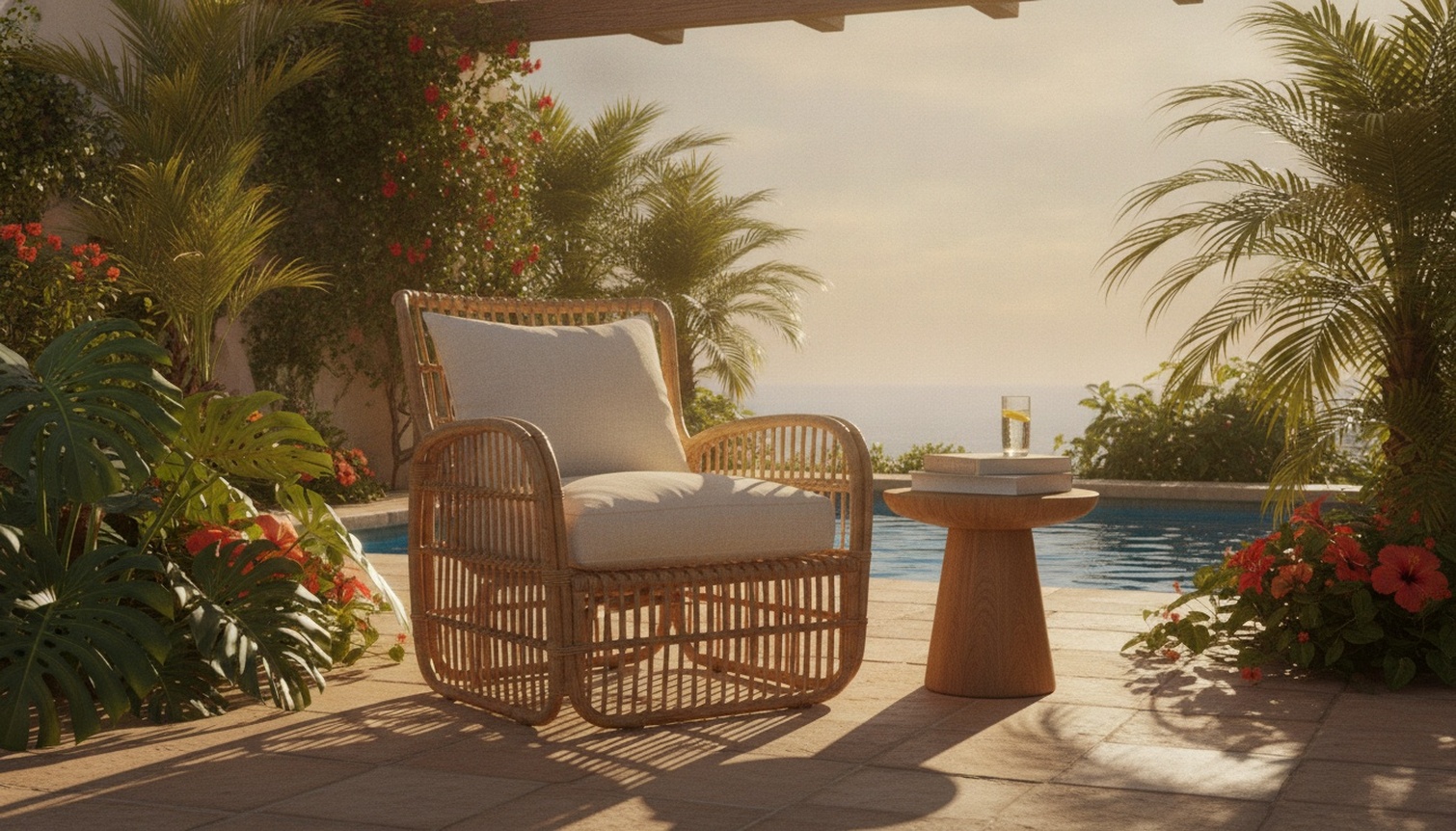
Humidity is the biggest enemy of natural furniture. Bamboo can crack without a proper lacquer or protectant coating. Rattan handles humid conditions better, but outdoor exposure weakens it over time. For patios, porches, and backyard decks, synthetic wicker made from resin or polyethylene is the most practical option. It is waterproof, weatherproof, and built to last.
Weight matters too. Bamboo furniture is heavier and more solid. Rattan pieces are lighter and easier to move. Synthetic wicker sits between the two, depending on the frame underneath.
Caring for Rattan, Wicker, and Bamboo Furniture at Home
Maintenance is simple when you know what each material needs:
- Bamboo: Wipe with a damp cloth. Apply lacquer or a protectant once a year.
- Natural rattan and wicker: Brush off dust with a soft brush. Pay attention to nooks and crannies in the weave. Clean with mild soap and water.
- Synthetic resin wicker: Hose it down. That is usually enough.
Storing outdoor pieces during off-seasons adds years to their life. This is true for handwoven and handcrafted pieces where the weave itself carries the structure.
Which Material Is Best for Sofas, Beds, Benches, and Statement Pieces
Rattan excels in seating. Its flexibility lets craftspeople form rounded shapes: sofas, chaise lounges, sectionals, and swings that feel organic and solid. If your space leans toward a bohemian, coastal, or vintage style, rattan is the natural fit.
Bamboo works better for structural furnishings. Beds, benches, and shelving benefit from its sturdiness. It suits modern interiors where clean lines and an organic palette take priority. You can explore how rattan furniture materials differ in construction and weight to understand which fits your project.
Wicker, used as a technique, gives designers wide room to work. Lampshades, planters, hampers, vases, and decorative mats all gain from wickerwork. When you want texture without heavy mass, wicker delivers.
Synthetic vs Natural Wicker: Making the Right Purchase Decision
Real handicrafts have a unique charm that plastic copies miss. Handwoven ratan and softly toned elements bring instant warmth to your furnishing style. Just remember, these organic homewares love indoor spaces and need a bit of extra care.
Synthetic options easily fix outdoor wear problems. They offer great advantages for gardeners and patio lovers. However, recyclability is the main downside. These plastic fabrics are simply tougher to discard than eco-friendly plantations material.
When choosing suppliers and manufacturers, look beyond price. Assess craftsmanship quality, sourcing practices, and how finishes like lacquer or antique treatments are applied. A reliable rattan company in Indonesia will be open about materials, construction methods, and grades.
How to Choose the Right Material for Your Furniture Style and Space
The decision comes down to three questions. Where will the furniture live? What look are you building toward? How much upkeep can you manage?
Natural rattan and handcrafted wicker bring cozy warmth to rustic or bohemian homes. If your style leans modern, sleek bamboo provides clean lines and organic simplicity. Synthetic wicker remains the ultimate choice for exterior decks needing all-weather durability.
You should consider combination furniture too. Modern styles mix organic frames with woven panels and comfy linens seating. These smart mashups give you that warm, earthy look while ensuring the entire piece stays incredibly durable.
If outdoor durability is your priority, comparing rattan vs plastic furniture is a useful next step. And when you are ready to source quality pieces, working with a trusted rattan furniture manufacturer Indonesia gives you access to genuine craftsmanship at a competitive standard.